














What's In My Bag: The Everyday Carry Checklist
Most people's bags are the result of accumulation rather than decision. Things went in for a reason at some point, the reason expired, and the thing stayed.
This is a decision instead: what genuinely earns its place in a bag you carry every day, what does not, and the small kit that turns a bag into something quietly useful.
The non-negotiables
Five things. Everything else is optional.

- Phone.
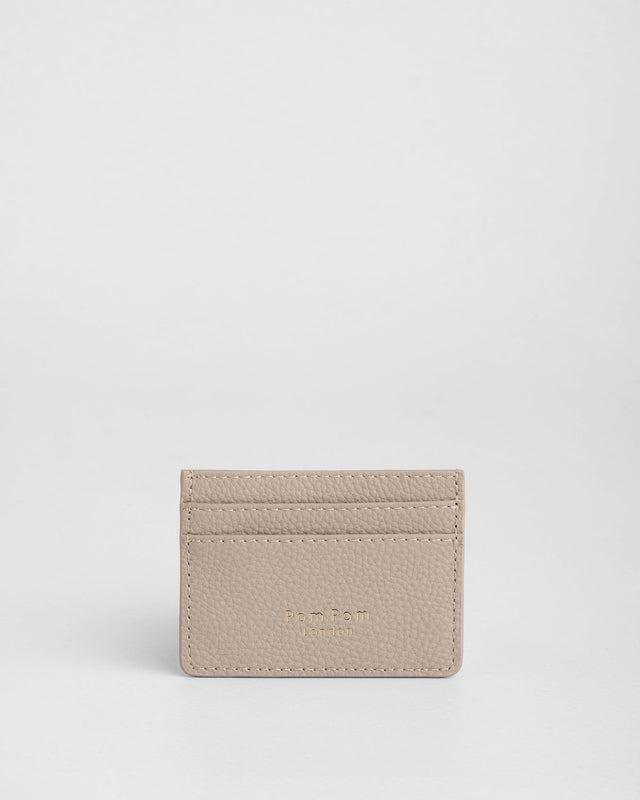
- Payment. A slim card holder with one or two cards, ID, and a folded bill for the places that are still cash-only. A full wallet is the single biggest source of unnecessary bulk in most bags.
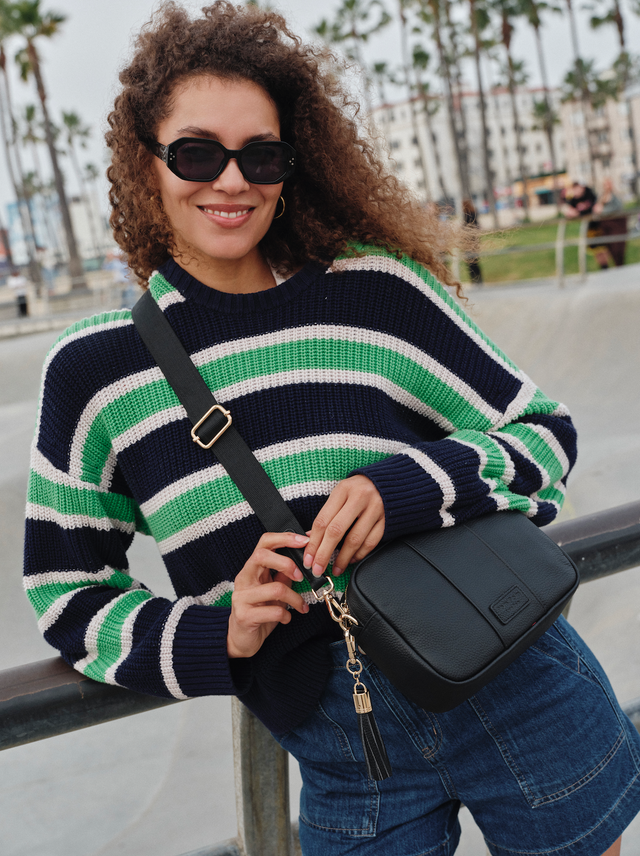
- Keys. On something you can find by feel — a keychain that clips to the inside of the bag ends the daily hunt entirely.
- Lip balm. The most-used item in almost every bag in the country.
- Whatever you take daily. Medication, an inhaler, glasses. Not optional and not to be moved between bags casually.
The high-value additions
These are the ones that repay their space several times over.
- A charging cable and a small battery pack. Your phone is your payment, your ticket, your map and your way home.
- Hand cream. From October onward, essential rather than nice.
- A glasses case. Protects the glasses and stops them scratching the lining. Anyone carrying readers loose in a bag is slowly ruining both.
- A folded tote. Weighs nothing, and covers groceries, an unexpected purchase, a gym kit, a wet umbrella.
- A pen that works. One. Capped or retractable, never loose — a leaking pen is the most common way a good lining is ruined.
- Sunglasses, which are more useful in low winter sun than in summer.
The small emergency kit
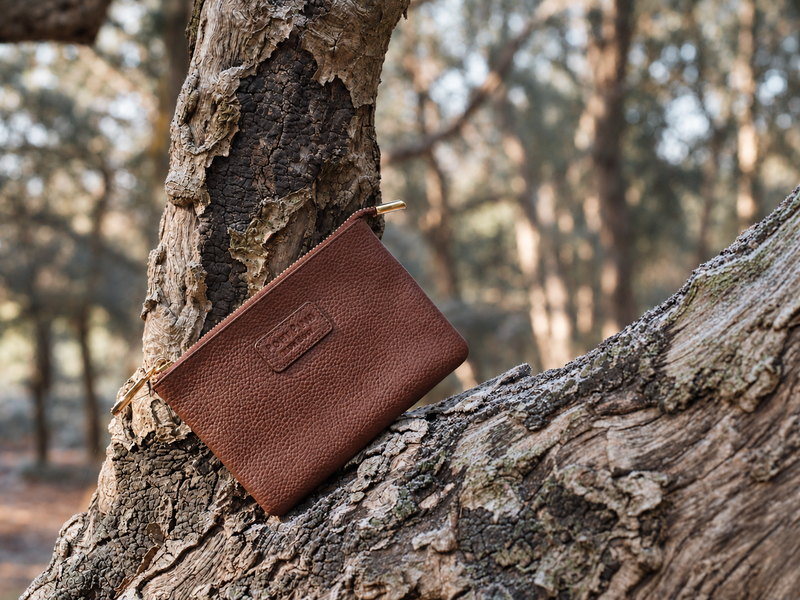
This is the part that makes a bag genuinely useful, to you and to everybody around you. It all fits in one coin purse:

- Two adhesive bandages and a blister bandage
- Painkillers
- An antacid
- A hair tie and two bobby pins
- A safety pin — for a strap, a hem or a button, and it has saved more evenings than anything else on this list
- A stain-removal pen
- A spare contact lens or a folded pair of glasses, if you wear them
- A tissue packet
Assemble it once. Check it twice a year. You will be the person who has what is needed, which is a small and reliable pleasure.
What most people carry for no reason
Honest list, from bags people have emptied onto tables:
- Loyalty cards that all exist in an app now.
- Receipts. Photograph and toss them, or they will breed.
- A notebook nobody has opened since spring.
- Three lip balms, because the other two could not be found.
- Old boarding passes, event tickets and parking stubs.
- A charger for a device you no longer carry.
- Makeup you never reapply. Most people carry a full kit and use one item.
- Coins, loose. In a coin purse they are useful; loose they are ballast and they scratch things.
Weight is the thing to watch
A bag heavy enough to notice is a bag heavy enough to cause a problem eventually — carried on the same shoulder for years, it is a genuine contributor to neck and upper-back pain.
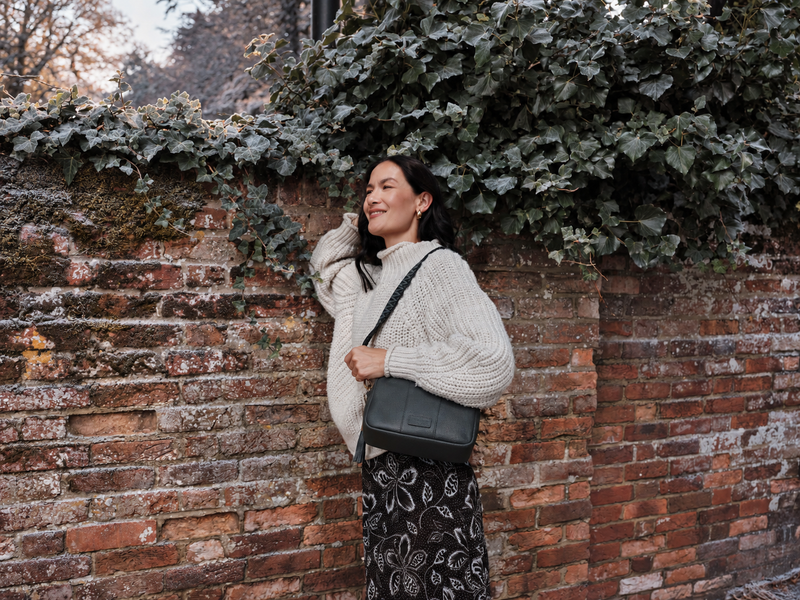
Two easy fixes. Wear it across the body rather than on one shoulder, so weight spreads across your torso. And empty it once a week: Sunday evening, thirty seconds, everything out, only what earns its place goes back.
Make it switchable
The reason people own several bags and carry one is that moving between them is a hassle and something always gets left behind.
Pouches fix it. One for tech, one for personal care, one glasses case — and changing bags becomes lifting three objects, not sorting forty. Our purse organization guide sets the whole system up in fifteen minutes.
Does it all fit?
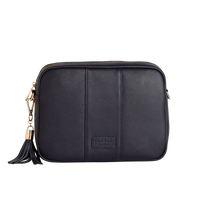
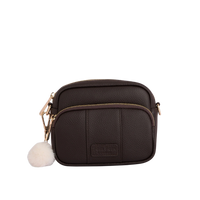
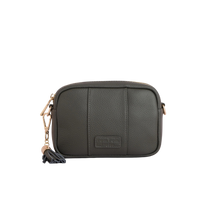
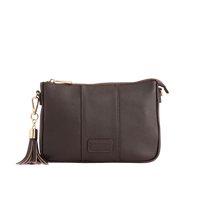
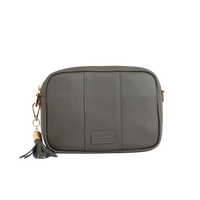
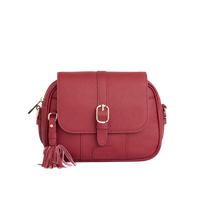
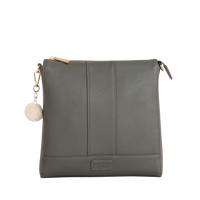
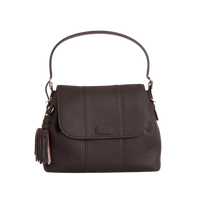
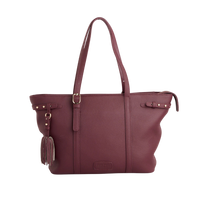
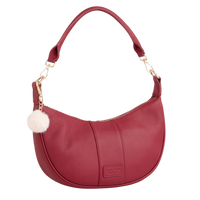
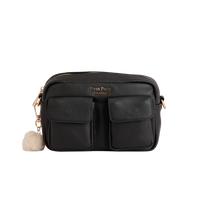
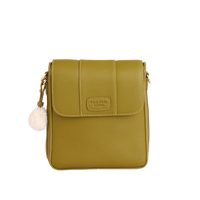
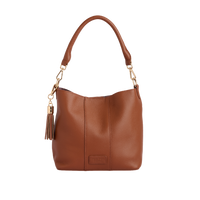
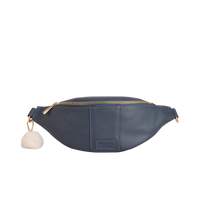
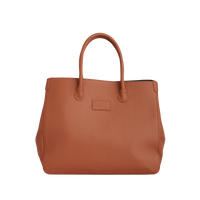
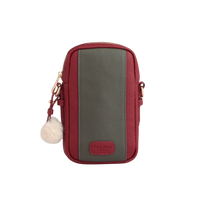
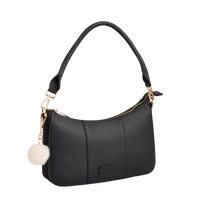
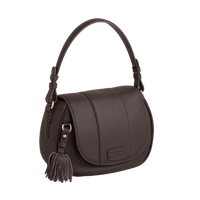
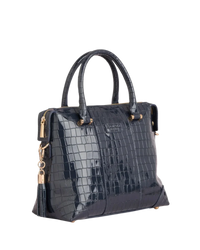
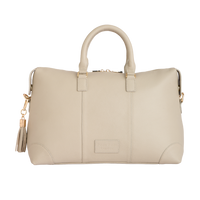
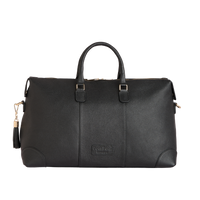
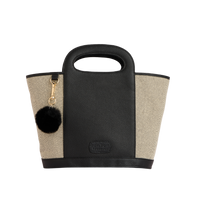
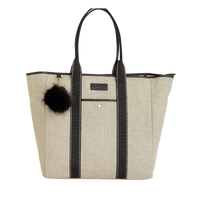
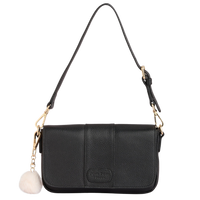
Everything above fits comfortably in a City or Original. Add a water bottle and an umbrella and you want a City Plus. Strip back to the five non-negotiables and a mini bag will do it.
Which is really the useful test: pack the list first, then choose the bag. Almost everybody does it the other way round, and then wonders why the bag never feels right.


